

When it comes to borrowing money, ensuring that you are dealing with a licensed moneylender is crucial. In Singapore, the Ministry of Law regulates the moneylending industry to protect borrowers from unethical practices. Here’s a comprehensive guide on how to verify if a moneylender is licensed.
The most reliable way to confirm if a moneylender is licensed is to check the Registry of Moneylenders maintained by the Ministry of Law. This registry lists all approved moneylenders in Singapore. You can access it online through the Ministry of Law’s website or GoBusiness Licensing portal.
Licensed moneylenders must display their license prominently at their place of business. When you visit a moneylender, look for their license certificate. The certificate should include the moneylender’s name, license number, and the validity period of the license. If you have any doubts, cross-reference the license number with the Registry of Moneylenders.
Licensed moneylenders in Singapore are regulated under the Moneylenders Act. This means they must adhere to strict guidelines regarding interest rates, fees, and lending practices. Ensure that the moneylender you are dealing with mentions their compliance with the Ministry of Law’s regulations.
Licensed moneylenders will require you to provide certain documents when applying for a loan. These typically include your NRIC, proof of income, and bank statements. Be wary of moneylenders who do not ask for such documentation, as this could be a sign of unlicensed activity.
Licensed moneylenders are prohibited from advertising their services through unsolicited text messages, phone calls, or emails. They can only advertise through business directories, their own websites, and within their business premises. If you receive unsolicited offers, it’s a red flag that the moneylender might not be licensed.
A licensed moneylender will provide clear and transparent terms and conditions for any loan agreement. This includes detailed information about interest rates, repayment schedules, and any additional fees. Ensure you read and understand the loan contract before signing it. Licensed moneylenders are required to explain all terms to you clearly.
Look for reviews and recommendations from trusted sources. Licensed moneylenders like Power Credit Enterprise, which has been operating since 2007, often have reviews available online that can provide insight into their reliability and customer service.
Ensuring that you are dealing with a licensed moneylender is essential for your financial safety. By following these steps, you can verify the legitimacy of a moneylender and protect yourself from potential scams. Always remember to check the Registry of Moneylenders, verify the license, and review the terms and conditions carefully before proceeding with any loan agreement.
If you need a reliable and licensed moneylender, consider Power Credit Enterprise. With years of experience and a commitment to ethical lending practices, we are here to help you with your financial needs.

A profitable business can still experience a cash-flow shortage. Customers may take 30 or 60 days to pay invoices, while salaries, rent, supplier bills and inventory purchases remain due. A
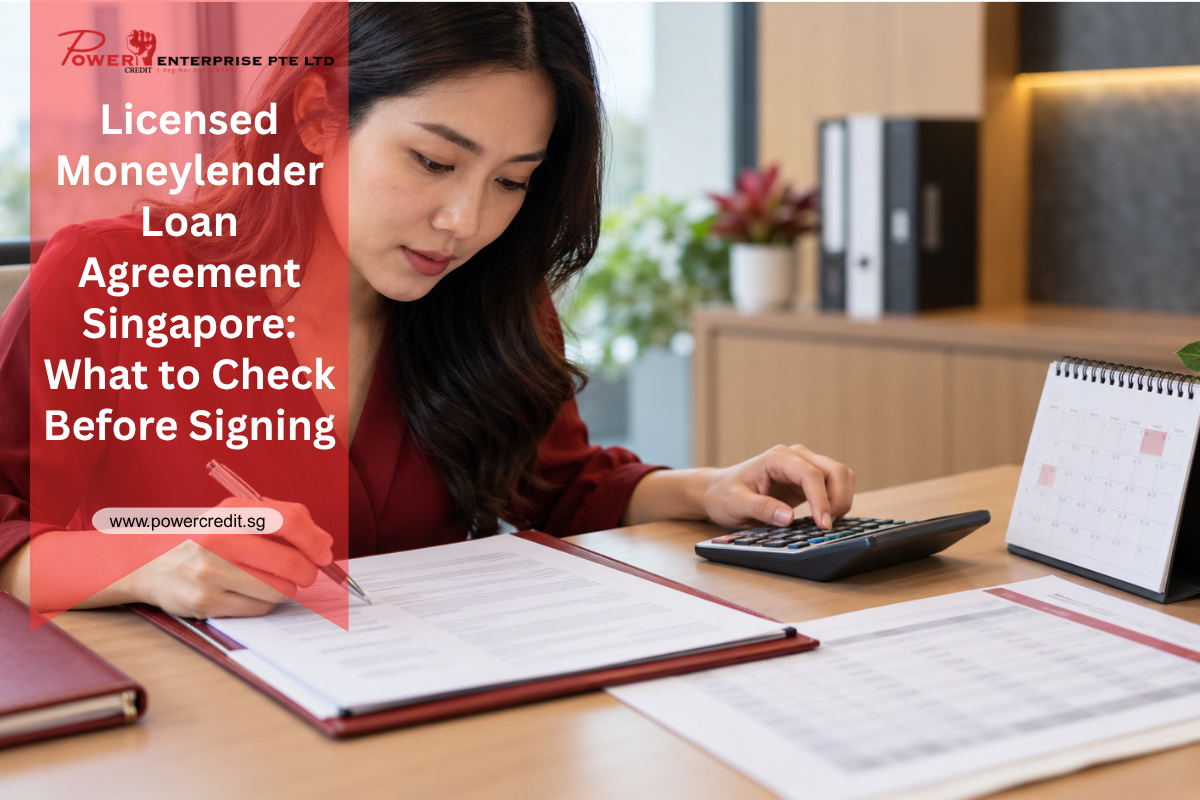
A loan agreement is more than a form confirming how much money you want to borrow. It establishes the principal, amount disbursed, interest, fees, repayment dates and consequences if a
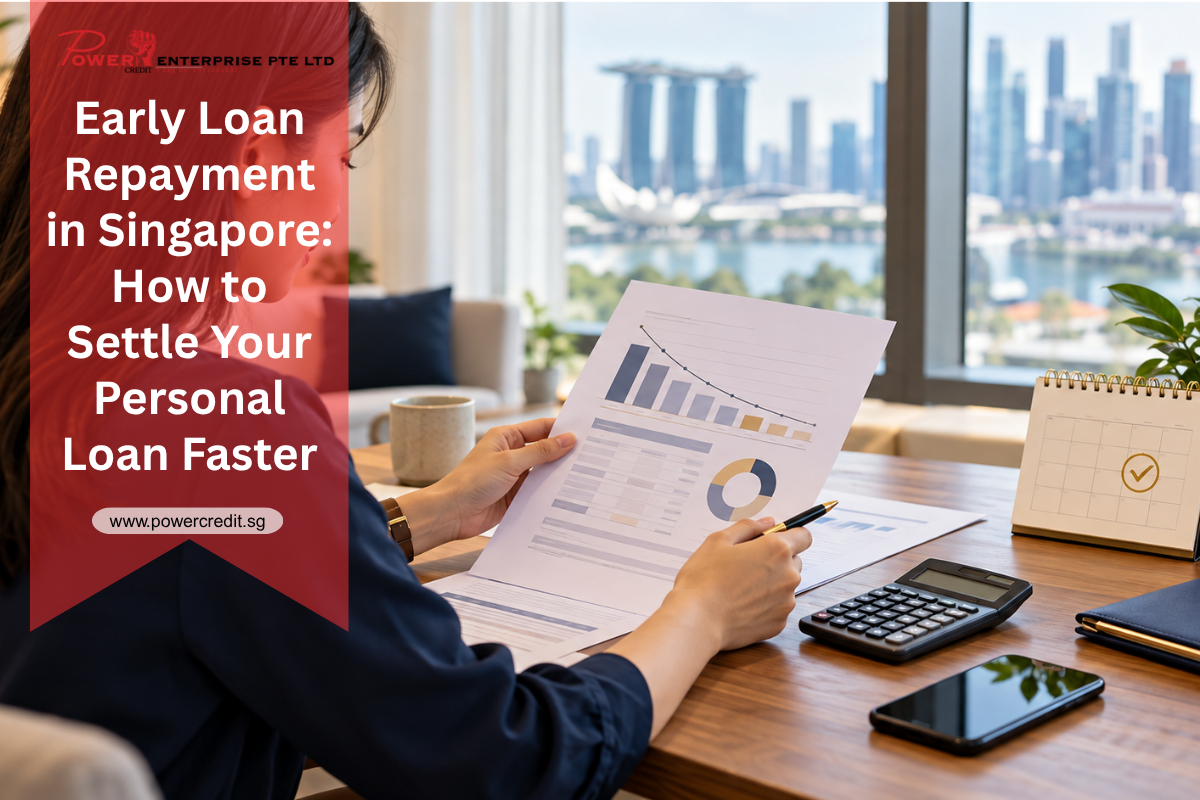
Paying off a personal loan ahead of schedule can reduce the period during which interest accrues and free up money for other financial priorities. However, borrowers should not simply
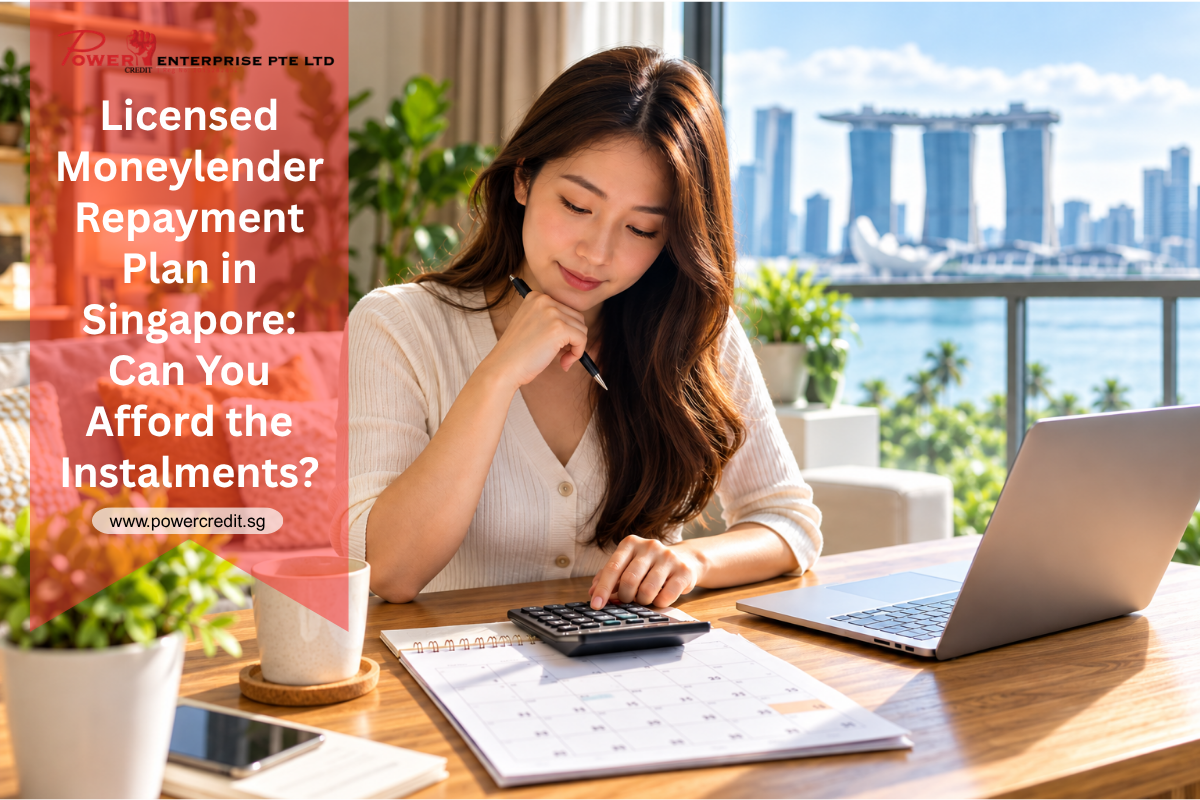
A loan can help cover an urgent expense, but the amount you qualify for may be more than you can comfortably repay. Before signing a loan agreement, check what you
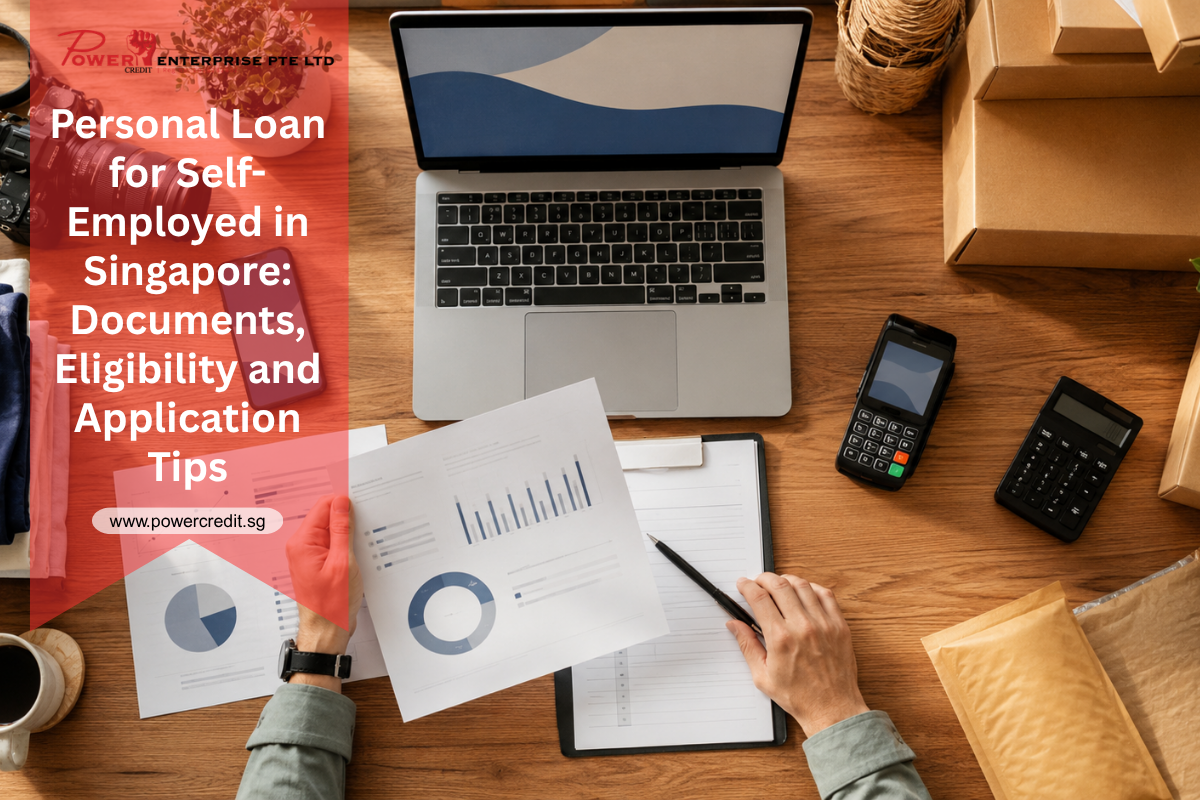
Being self-employed offers flexibility and independence, but irregular income can make applying for financing more complicated. Unlike salaried employees, self-employed individuals may not receive fixed monthly payslips or regular employer
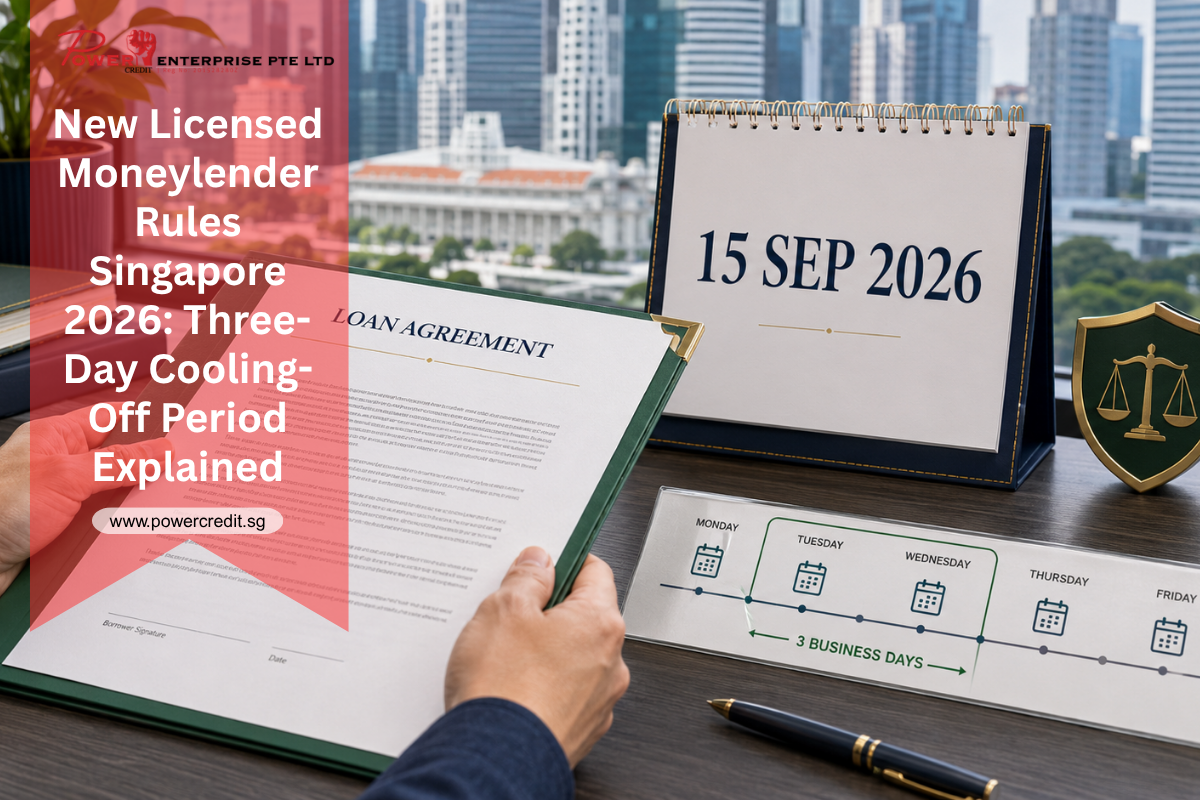
Singapore is introducing additional protection for borrowers who take unsecured loans from licensed moneylenders. From 15 September 2026, eligible borrowers will have a mandatory cooling-off period of three business days.